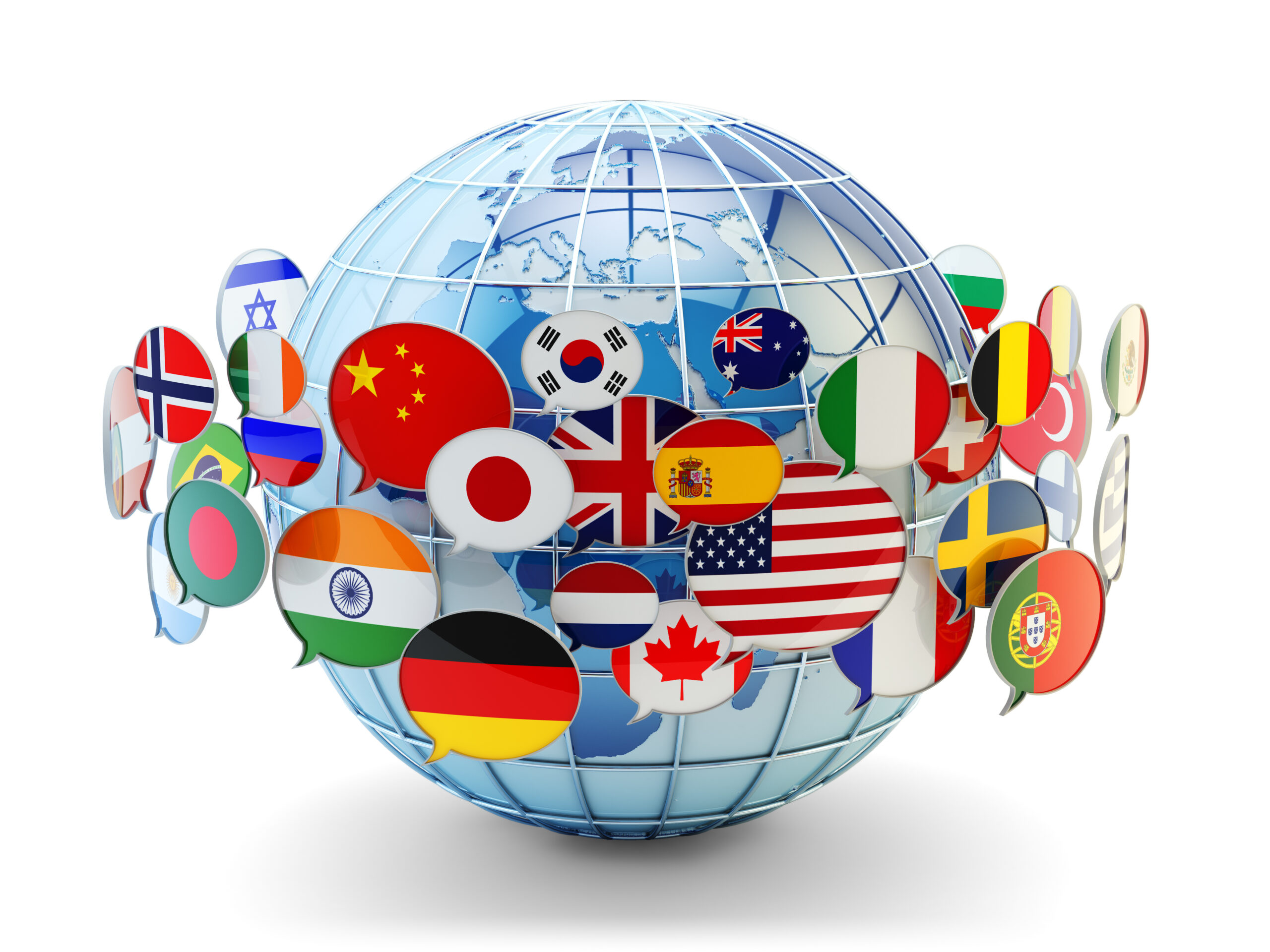

In our increasingly connected world, hosting an event is no longer confined to a single language or region. The power of globalization has brought about a new challenge: ensuring your message reaches a diverse, multilingual audience. This is where live translation services play a pivotal role. They unlock the potential of global accessibility and connect individuals from different corners of the world.
In this blog post, we will delve into the art of multilingual events, providing a comprehensive guide to live translation services. We’ll explore the significance of live translation, share best practices, offer valuable tips, and discuss the profound impact it has on audience engagement and global accessibility.
Why Live Translation Matters
Globalization is the New Norm: We live in a global village, and your events should reflect that. Live translation opens the doors to a worldwide audience, breaking down language barriers.
Enhanced Audience Engagement: When your attendees can comfortably understand and engage with your content in their native language, their overall experience is enriched.
Access to New Markets: Live translation allows you to tap into new markets and expand your reach far beyond your local boundaries.
Best Practices for Multilingual Events
Early Planning: Start planning for translation services at the early stages of event preparation. Determine the languages needed and secure skilled translators and interpreters well in advance.
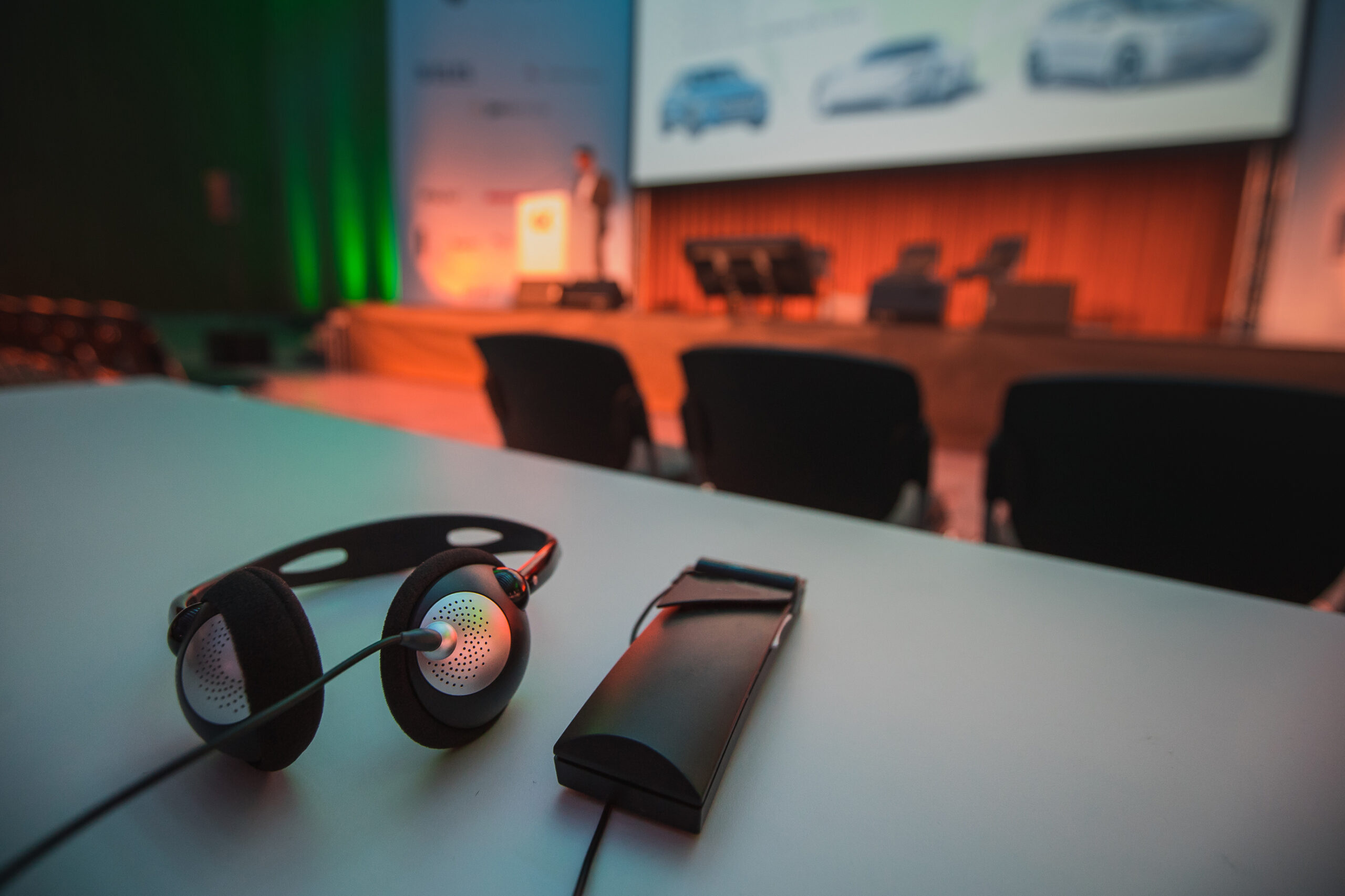
Select the Right Technology: Choose the most suitable live translation technology, such as interpreting equipment, translation software, or mobile apps that match your event’s requirements.
Collaboration with Professionals: Work with experienced language professionals who understand the nuances of both languages and the subject matter of your event.
Engage Your Audience: Make it clear to your attendees that multilingual support is available. Encourage them to select their preferred language for captions or audio translation.
Tips for a Successful Multilingual Event
Language Testing: Test your translation setup before the event to identify and resolve any technical or linguistic issues.
Engage with Interpreters: Provide interpreters with context about the event, including speakers, topics, and any specific jargon that may be used.
Quality Control*: Ensure the translation quality is top-notch. Errors can lead to misunderstandings and disengagement.
The Impact on Global Accessibility
Live translation services make your event more than just a gathering; they turn it into a global phenomenon. They bridge the gap between languages and cultures, fostering understanding and unity on a worldwide scale.
Conclusion
In the realm of modern events, the art of multilingual communication is an invaluable skill. Live translation services can elevate your events, breaking down language barriers, increasing audience engagement, and expanding your global impact. By following best practices and heeding our tips, you can ensure that your events are accessible and inclusive to audiences from diverse linguistic backgrounds.
Global accessibility is no longer a vision; it’s a reality. Embrace the art of multilingual events, and watch your events transcend borders, connecting people and ideas worldwide.