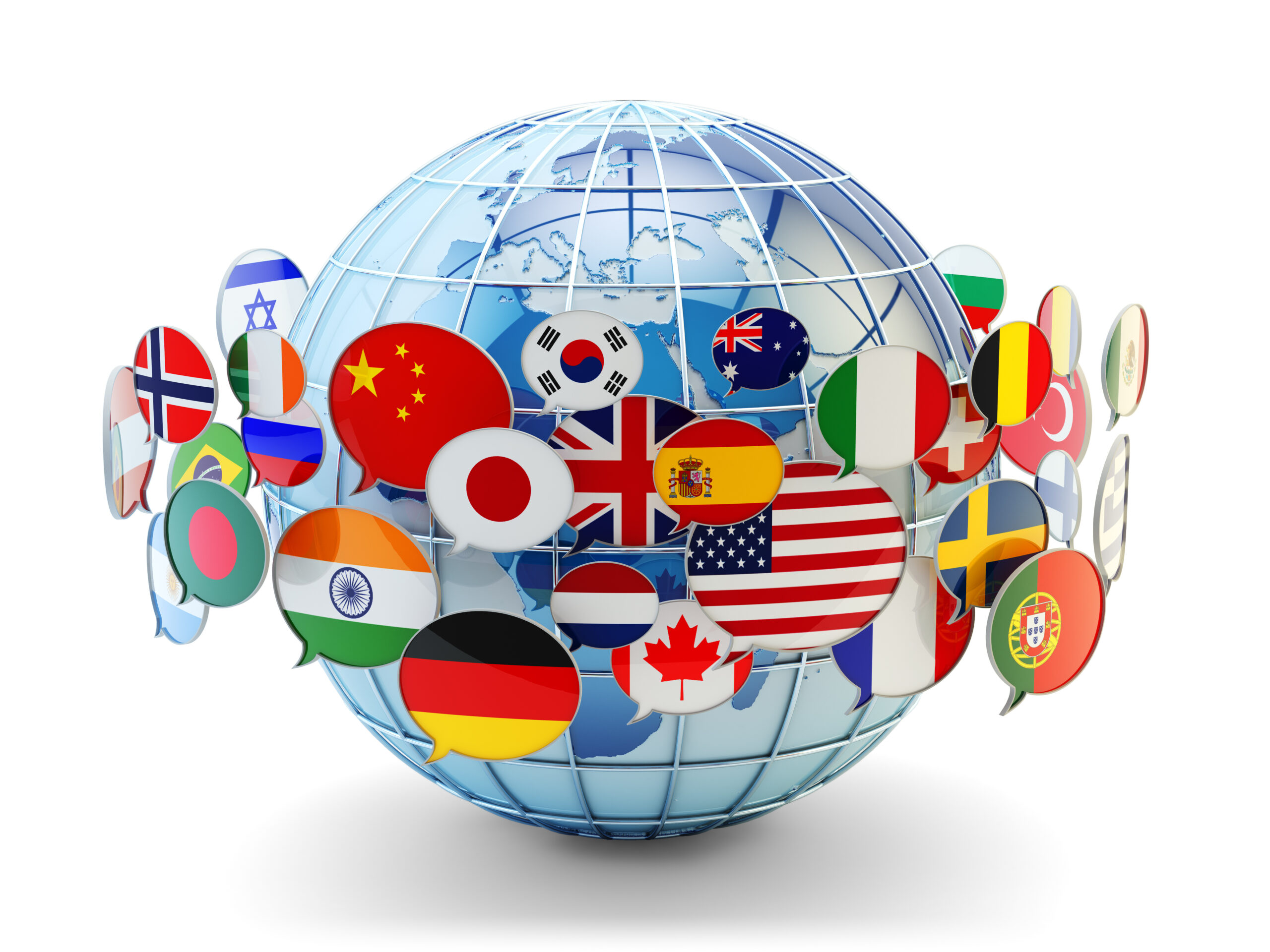

In our increasingly globalized world, hosting an event often means welcoming attendees from diverse linguistic backgrounds. Event organizers today face the challenge of ensuring that content is accessible to everyone, regardless of their native language. To address this, various event translation solutions have emerged, each with its own set of benefits and considerations.
In this blog post, we will conduct a comparative analysis of event translation solutions, ranging from traditional interpreters to AI-powered tools and remote services. By the end, you’ll be equipped with the knowledge to make an informed decision about which solution best suits your event’s unique needs.
The Traditional Approach: On-Site Interpreters
Benefits:
- Real-time Human Connection: Interpreters provide a personal touch, fostering a genuine connection with attendees.
- Adaptability: Skilled interpreters can handle complex terminology and nuances effectively.
- Immediate Response: They can instantly respond to changes in tone or context.
Considerations:
- Cost: Hiring on-site interpreters can be expensive, especially for multiple languages.
- Logistics: Space, equipment, and scheduling require careful planning.
- Availability: Finding experienced interpreters for rare languages can be challenging.
The Modern Marvel: AI-Powered Translation Tools
Benefits:
- Cost-Effective: AI tools are often more affordable than human interpreters.
- Multiple Languages: They can support various languages simultaneously.
- Scalability: These solutions are easily scalable to accommodate a growing audience.
Considerations:
- Accuracy: While improving, AI tools may not yet match human interpreters in handling nuanced and complex content.
- Customization: AI tools may not fully understand industry-specific jargon.
- Lack of Human Interaction: They lack the human touch and can’t adapt to attendee reactions.
The Remote Revolution: Online Translation Services
Benefits:
- Accessibility: Remote services are easy to access for attendees from anywhere in the world.
- Affordability: They often cost less than on-site interpreters.
- Flexibility: Options like captioning and audio translation can be adjusted in real time.
Considerations:
- Internet Dependence: A stable internet connection is crucial for both event organizers and attendees.
- Potential Delays: Technical issues can lead to delays, disrupting the event flow.
- Security: Ensure the service provider follows rigorous data protection measures.
Choosing the Right Solution
The choice of event translation solution ultimately depends on your event’s nature, budget, and target audience. Here are some key considerations:
- Event Size: For smaller events, AI-powered tools may suffice, while larger gatherings may benefit from on-site interpreters.
- Budget: If cost is a concern, AI and remote services can be more budget-friendly.
- Language Diversity: If your event caters to a wide range of languages, remote services can be an efficient choice.
- Content Complexity: For highly specialized or nuanced content, on-site interpreters may offer the best results.
Conclusion
In the world of event translation, there is no one-size-fits-all solution. The choice between on-site interpreters, AI-powered tools, and remote services depends on various factors, including your event’s size, budget, language diversity, and content complexity.
A well-informed decision can significantly impact the success of your event, ensuring that all attendees, regardless of their native language, have a seamless and inclusive experience. So, weigh the benefits and considerations carefully and choose the solution that aligns with your event’s unique needs. In the end, it’s all about connecting people and ideas across language barriers, fostering understanding, and creating a memorable event.